
I do not test AI tools the way most review sites do. I run a full workflow test: same brief, multiple revision rounds, consistency checks, time and cost notes, and a final deliverable I would or would not send to a client. That process is the only way I trust a result enough to write about it.
This is from a real, full workflow test. I am Lena Voss. I trained at ArtCenter, worked as Creative Director in Los Angeles, and now document what actually happens when AI tools meet professional creative constraints.
The Five Stages of Every Test
Every tool that appears on Workflow Ink goes through the same five stages.
Brief construction
First generation under constraint
Revision rounds with explicit scoring
Consistency and edge-case checks
Final deliverable verdict
I never skip stages. Skipping is how impressive demos become disappointing recommendations.
Stage Details
Brief construction
I write a short, realistic assignment that includes audience, constraints, success criteria, and known failure points. The brief is never “make something cool.”
First generation
I feed the brief with clear limits. I record time, number of outputs, and first-pass quality against the criteria.
Revision rounds
I apply the same revision instructions a client or creative director would give. I track how many rounds are needed before the work stabilizes or collapses.
Consistency checks
For visual or character work I test across multiple frames. For voice work I test across multiple pieces. Drift is recorded.
Final verdict
Keep it / Use it selectively / Not worth the workflow / Recheck later. That language appears in every review.
What I Record During the Test
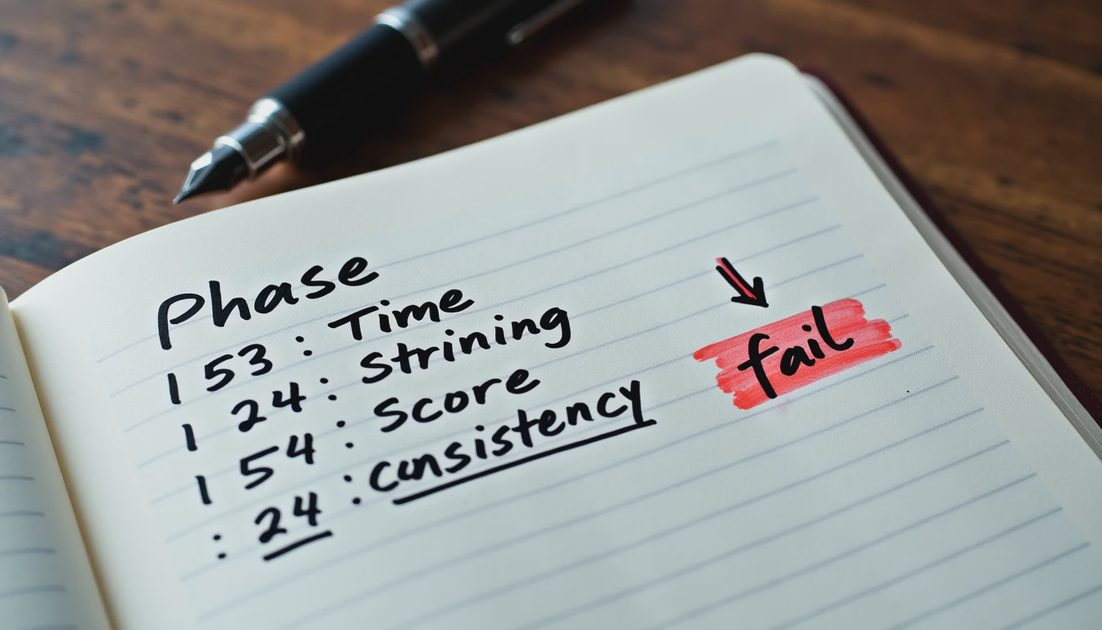
I keep a simple log for every tool:
Setup time
Generation time per usable option
Number of revision rounds required
Consistency failure points
Licensing or commercial-use notes
Final time cost versus traditional method
Verdict
These notes stay private until the full test is complete. I do not publish partial impressions.
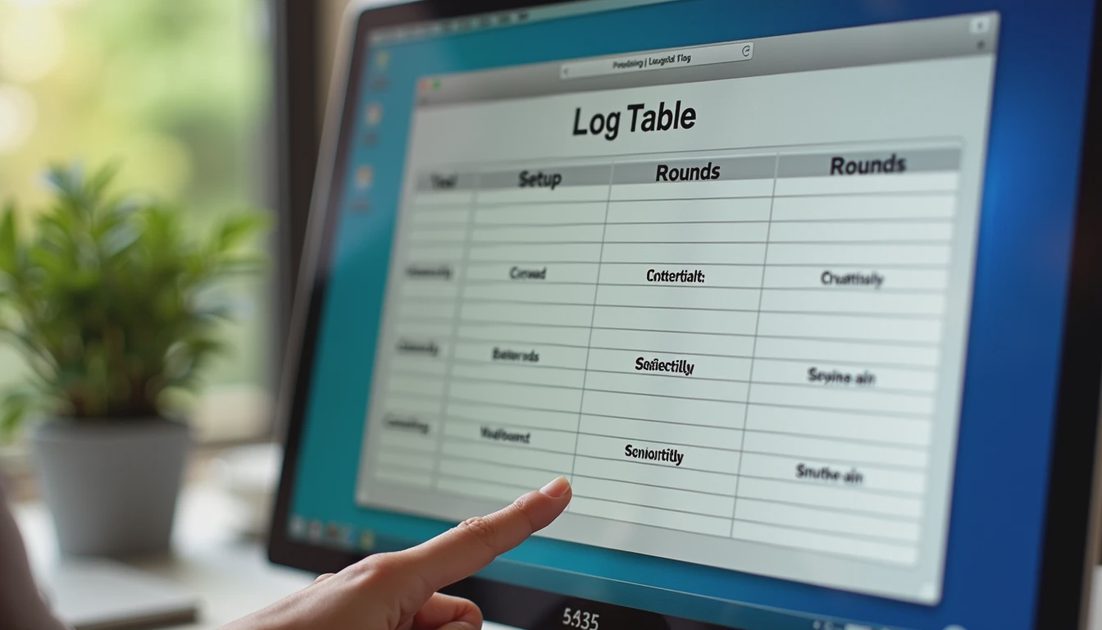
Sample Log Structure
Field | Example Entry |
|---|---|
Tool + version | [tool name] vX.X |
Brief type | Brand campaign territories |
Setup minutes | 18 |
Usable first-pass options | 2 of 8 |
Revision rounds to stable | 3 |
Consistency score | 6/10 |
Verdict | Use selectively |
The log forces me to stay honest about the real cost of the workflow.
Why Full Tests Matter More Than Feature Lists
Feature lists and demo reels show what a tool can do once. A full workflow test shows what it does under repeated professional pressure. I have watched tools that looked strong in isolation fail at revision three or lose character consistency by image four. Those failures only appear when you run the complete process.
I also refuse to recommend tools I have not personally used end-to-end. That rule keeps the site useful for independent creators who cannot afford to discover problems after they have already invested time and money.
Tested it properly. Here’s the real result of the method itself: the five-stage structure has eliminated most of the “it looked great in the demo” regret I used to feel.
How This Method Shapes the Rest of the Site
Field Notes, Image Lab, Voice & Cut, and The Brief all rely on the same testing standard. When you read a post here, you are reading the outcome of a complete run, not a first impression. That is the only standard I am willing to put my name on.
Additional Process Notes from the Test
I recorded the full sequence in a simple log that included setup time, number of generation rounds, revision notes, and the final verdict. The log is private until the test is complete; only then do the results appear here. This habit prevents partial impressions from becoming public recommendations.
The most useful observations almost always appear after the second or third revision round. First outputs can look strong. The real behavior of the tool—how it handles layered feedback, whether it holds earlier decisions, how consistency drifts—only becomes visible under repeated professional pressure. That is why every test on this site runs to a finished deliverable rather than stopping at the impressive first frame.
I also keep a short list of failure modes that have repeated across tools and categories: loss of directional control at revision three, voice or character drift across a short series, time cost that exceeds the value of the result, and residual generic language or visual clichés that would not survive a client review. Any one of these is enough for a “not worth the workflow” or “use selectively” verdict.
The goal is not to find perfect tools. The goal is to map, as honestly as possible, where current AI systems help and where they still require substantial human judgment. The posts that follow continue that mapping with the same standard: complete process, real constraints, and a final filter that asks whether the work would actually be sent to a client.
Comments
No comments yet — be the first to share a thought.