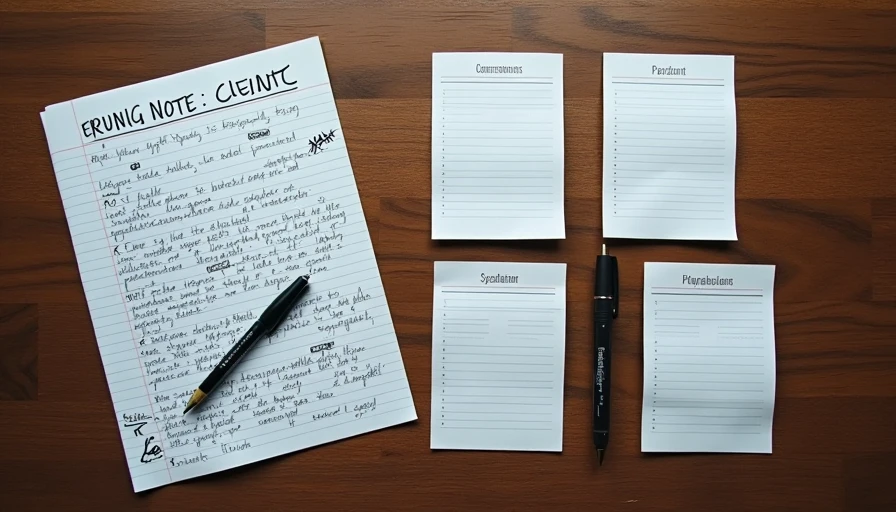
I took a set of messy, incomplete client-style notes and ran them through a structured AI-assisted process to produce three usable campaign territories. The notes were intentionally imperfect: conflicting priorities, missing context, and informal language. The goal was to see how much structure the tools could impose and how much human judgment was still required.
This is from a real, full workflow test. I am Lena Voss. Turning imperfect inputs into clear creative direction was a core part of my agency work. I still use the same standard.
The Starting Notes
The notes contained audience fragments, product benefits stated in different ways, a few competitor references, and one strong emotional insight buried in the middle. There was no clean brief, no single ranking of priorities, and no visual direction. This is the kind of material many independent creators and small teams actually receive.
I first organized the notes into a temporary structure by hand, then fed both the raw notes and the structured version into the tools.
What the Tools Produced from Raw Notes
The first outputs were scattered. Some ideas repeated the strongest phrases without resolving contradictions. Others invented priorities that were not in the notes. A few useful fragments appeared, but none of the tools delivered three coherent territories on the first pass.
The Human Structuring Step That Mattered
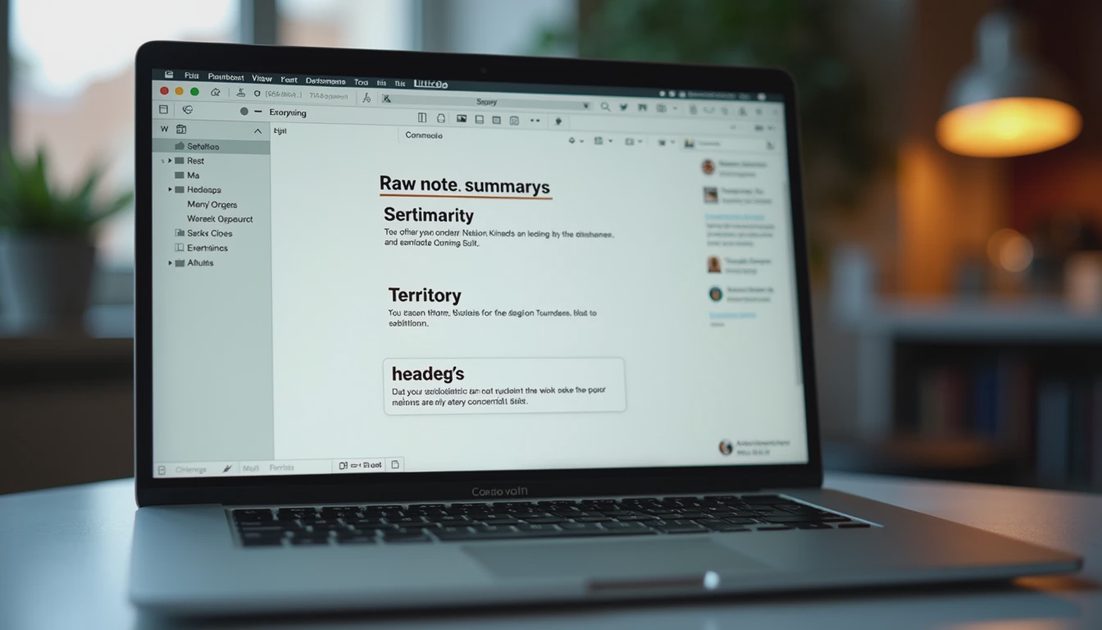
I extracted three non-negotiable insights from the notes and restated them as filters. I also wrote a short temporary brief that resolved the most obvious contradictions. When I re-ran the tools with that structure, the outputs improved markedly.
Two tools produced at least two territories that felt specific enough to develop. One tool continued to generate volume without clear prioritization. I selected three final territories through a combination of AI expansion and human editing.
Territory Development Path
Stage | Input | Output Quality | Human Intervention |
|---|---|---|---|
Raw notes | Messy client material | Scattered | High |
Structured filters | Extracted constraints | Improved focus | Medium |
Final territories | Selected + refined | Usable | Medium |
The path shows that the tools amplified structure once it existed. They did not create the structure from pure mess.

What This Test Confirmed
AI can help expand and organize once a human has imposed basic clarity. It cannot reliably resolve conflicting client notes on its own and still produce strategy-level territories. The messy-to-usable pipeline still begins with human judgment.
Ran the full process myself. This is what it looked like when the input was imperfect and the standard remained professional.
Practical Notes for Creators
Do not feed completely raw notes and expect strategy.
Extract the non-negotiables first.
Use the tools to expand and pressure-test after structure exists.
Keep the final selection and ranking human.
This post continues The Brief category focus on real assignments and the points where human direction remains essential. Future tests will examine whether AI can locate a genuine big idea or only generate more volume.
Additional Process Notes from the Test
I recorded the full sequence in a simple log that included setup time, number of generation rounds, revision notes, and the final verdict. The log is private until the test is complete; only then do the results appear here. This habit prevents partial impressions from becoming public recommendations.
The most useful observations almost always appear after the second or third revision round. First outputs can look strong. The real behavior of the tool—how it handles layered feedback, whether it holds earlier decisions, how consistency drifts—only becomes visible under repeated professional pressure. That is why every test on this site runs to a finished deliverable rather than stopping at the impressive first frame.
I also keep a short list of failure modes that have repeated across tools and categories: loss of directional control at revision three, voice or character drift across a short series, time cost that exceeds the value of the result, and residual generic language or visual clichés that would not survive a client review. Any one of these is enough for a “not worth the workflow” or “use selectively” verdict.
The goal is not to find perfect tools. The goal is to map, as honestly as possible, where current AI systems help and where they still require substantial human judgment. The posts that follow continue that mapping with the same standard: complete process, real constraints, and a final filter that asks whether the work would actually be sent to a client.
What I Record and Why It Matters
Every test produces a short private log: date, tool and version, brief type, setup minutes, number of usable first-pass options, revision rounds required to stabilize, consistency notes, and the final verdict. I do not publish the log itself, but the patterns that emerge from it shape every recommendation on this site.
The log has taught me that impressive first outputs are common and that reliable revision behavior is rare. It has also shown that the tools worth keeping are the ones that improve under repeated use rather than degrade. When a tool treats each new instruction as a fresh generation and loses earlier decisions, it fails the professional test regardless of how strong the demo looked.
I share these process details so other independent creators can apply the same filter without having to rediscover every failure mode themselves. The standard is simple and strict: if I would not send the final result to a client under my name, the workflow is not finished and the tool does not earn a positive recommendation.
Comments
No comments yet — be the first to share a thought.