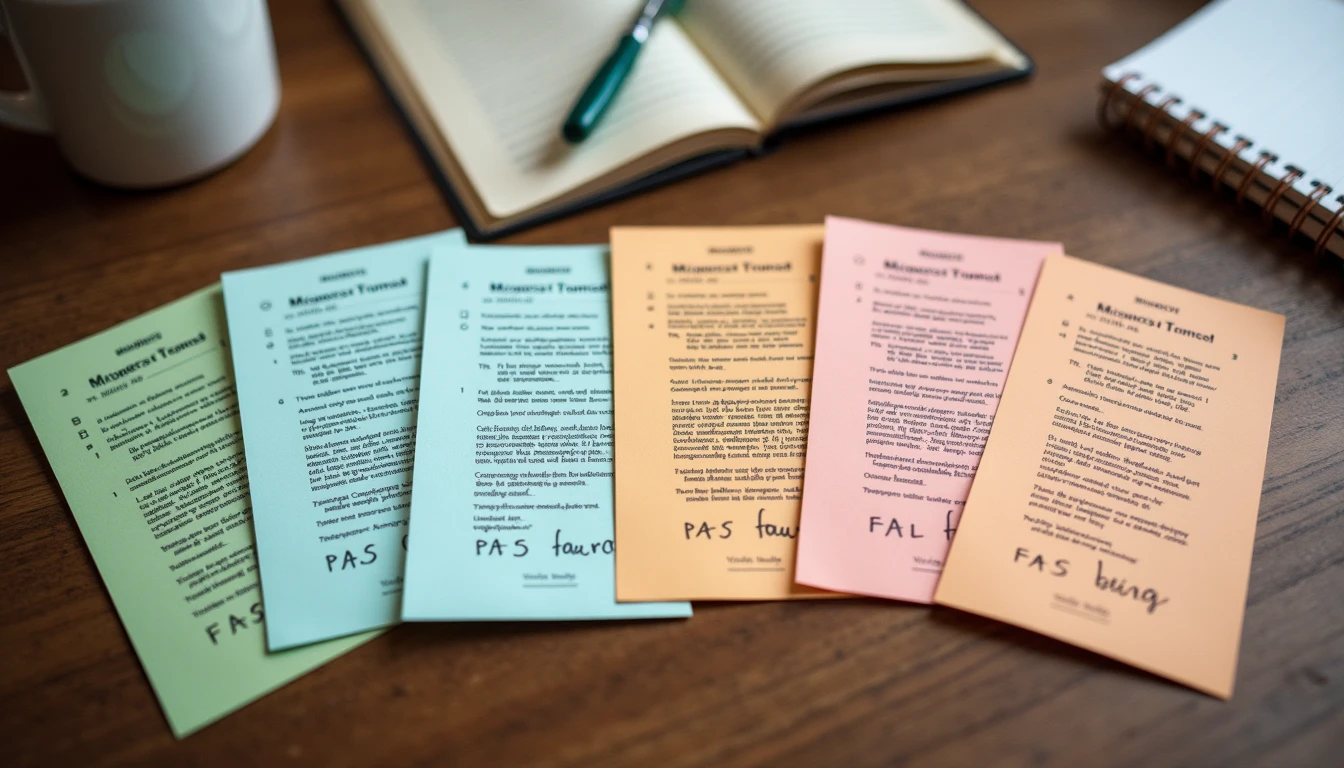
One post can sound right by accident. Five posts in a row reveal whether the AI content still sounds like you. I run a simple five-post test on every voice or personal-brand system I evaluate. The test has saved me from publishing content that looked polished and felt wrong.
This is from a real, full workflow test. I am Lena Voss. I judge brand voice the same way I judged campaign work in agency life: consistency under repetition is the real measure.
How the Five-Post Test Works
I generate or extract five consecutive pieces under the same voice constraints. Then I read them in order, out loud, without looking at the prompts. I score three things:
Recognizable rhythm and word choice
Absence of the model’s default fluency
Ability to continue the same voice into a sixth piece without drift
If the set fails any of the three, the system needs more human anchoring before it is usable.
Scoring Criteria I Use
Criterion | Pass Signal | Fail Signal |
|---|---|---|
Rhythm match | Specific phrasing returns | Sentences feel interchangeable |
Claim safety | No overstatement | Model invents confidence |
Continuity | Sixth piece still fits | Noticeable shift in tone |
The table is the practical filter I apply after every five-post run.

What Usually Breaks by Post Four
In most tests the first two pieces still carry the human constraints. By post three or four the model’s default sentence patterns begin to dominate. The content becomes fluent and less specific. That is the moment the five-post test is designed to catch.
I have seen the same pattern with tools that promise “your voice.” The promise holds for short samples. It weakens under the pressure of a short series.

Practical Fixes That Work
When a set fails the test I do three things:
Return to the original voice reference samples.
Restate the non-negotiable traits as hard constraints.
Regenerate only the failing pieces while holding the successful ones fixed.
The goal is not perfect automation. The goal is a system that stays recognizable across a real content calendar.
Tested it properly. Here’s the real result: five posts expose voice drift faster than any single impressive sample.
How This Fits Brand System Work
The five-post test sits inside the larger Brand System practice on Workflow Ink. It connects directly to strategy-before-prompt work and to the difference between consistency and creative sameness. Future posts will examine how to build a personal brand voice without inventing a false personality and how visual identity can stay distinctive under AI assistance.
The working rule remains simple: if it does not survive five posts, it is not yet your voice.
Additional Process Notes from the Test
I recorded the full sequence in a simple log that included setup time, number of generation rounds, revision notes, and the final verdict. The log is private until the test is complete; only then do the results appear here. This habit prevents partial impressions from becoming public recommendations.
The most useful observations almost always appear after the second or third revision round. First outputs can look strong. The real behavior of the tool—how it handles layered feedback, whether it holds earlier decisions, how consistency drifts—only becomes visible under repeated professional pressure. That is why every test on this site runs to a finished deliverable rather than stopping at the impressive first frame.
I also keep a short list of failure modes that have repeated across tools and categories: loss of directional control at revision three, voice or character drift across a short series, time cost that exceeds the value of the result, and residual generic language or visual clichés that would not survive a client review. Any one of these is enough for a “not worth the workflow” or “use selectively” verdict.
The goal is not to find perfect tools. The goal is to map, as honestly as possible, where current AI systems help and where they still require substantial human judgment. The posts that follow continue that mapping with the same standard: complete process, real constraints, and a final filter that asks whether the work would actually be sent to a client.
What I Record and Why It Matters
Every test produces a short private log: date, tool and version, brief type, setup minutes, number of usable first-pass options, revision rounds required to stabilize, consistency notes, and the final verdict. I do not publish the log itself, but the patterns that emerge from it shape every recommendation on this site.
The log has taught me that impressive first outputs are common and that reliable revision behavior is rare. It has also shown that the tools worth keeping are the ones that improve under repeated use rather than degrade. When a tool treats each new instruction as a fresh generation and loses earlier decisions, it fails the professional test regardless of how strong the demo looked.
I share these process details so other independent creators can apply the same filter without having to rediscover every failure mode themselves. The standard is simple and strict: if I would not send the final result to a client under my name, the workflow is not finished and the tool does not earn a positive recommendation.
Comments
No comments yet — be the first to share a thought.