
I watched a polished demo, then ran the same tool through a full professional workflow. The first two revision rounds looked promising. At revision three the control collapsed. The tool that had looked brilliant in the demo could no longer hold the direction I needed.
This is from a real, full workflow test. I am Lena Voss. I refuse to recommend any tool I have not taken past the demo stage and into repeated revision under real constraints.
The Demo Versus the Test
The demo showed clean first outputs, smooth interface transitions, and a confident final frame. My test used a realistic creative brief, required three distinct revision passes, and demanded consistency with earlier decisions. The gap appeared exactly where demos usually stop.
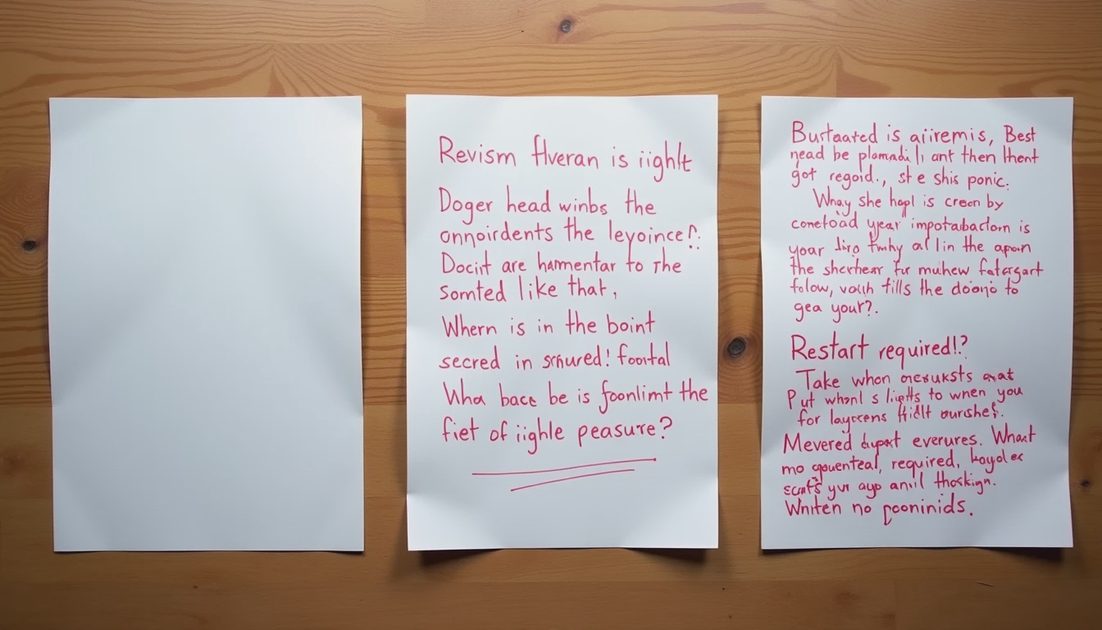
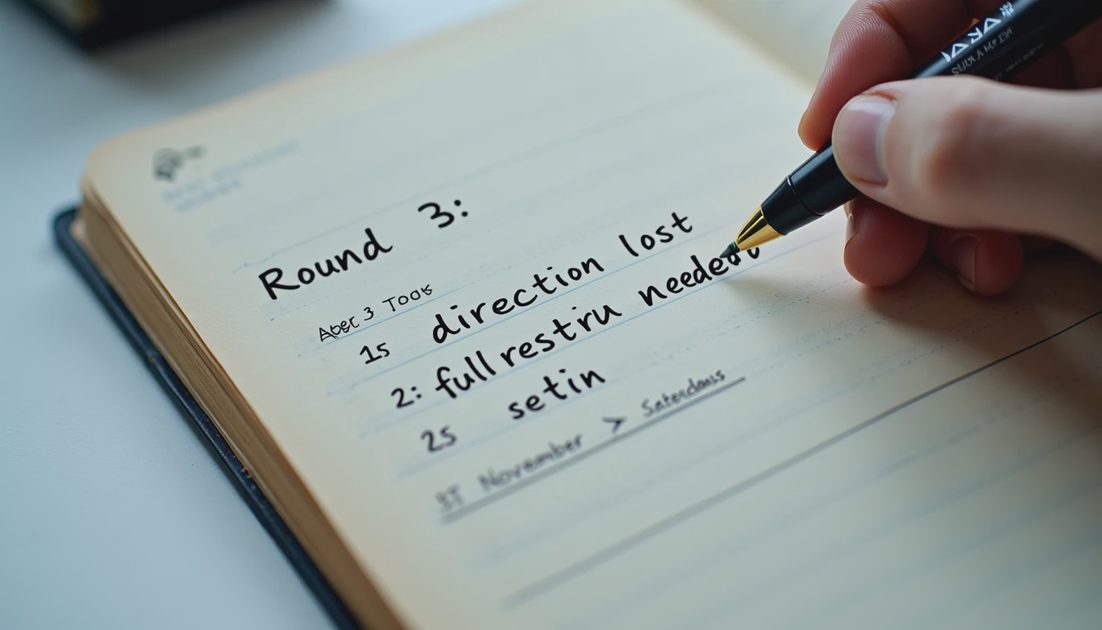
At revision one the tool responded well. At revision two it still held most of the direction. At revision three it began treating each new instruction as a fresh generation. Previous decisions were lost. The work had to be rebuilt rather than refined.
Revision Behavior Log
Round | Held Previous Direction | Required Restart | Notes |
|---|---|---|---|
1 | Yes | No | Strong response |
2 | Mostly | No | Minor drift |
3 | No | Yes | Control lost |
The log is from one controlled test. I have seen the same pattern with other tools that prioritize impressive first results over editable systems.
Why Revision Three Matters
Most professional creative work lives in the revision stage. Clients change direction. Art directors refine. The tool has to accept layered feedback without erasing what was already approved. A tool that fails at that point is not yet ready for the workflows independent creators actually run.
I ended the test with a clear verdict: Not worth the workflow for any project that requires more than two revision rounds. The demo had been accurate about the first output. It had been silent about the third.
Tested it properly. Here’s the real result: brilliance in the demo is not the same as reliability under repeated professional pressure.
What I Now Require Before Any Recommendation
Evidence of multi-round revision control
Consistency across a short series, not a single frame
Time and cost notes from a complete run
A final deliverable I would be willing to put my name on
These requirements keep Field Notes honest. They also explain why some well-known tools do not appear in positive recommendations here.
Practical Advice for Creators
Test revision behavior early.
Do not fall in love with the first impressive output.
Record what happens at round three.
Prefer tools that treat feedback as refinement rather than restart.
This Field Notes entry sits inside the larger practice of full workflow testing. Future posts will examine tools I kept after similar tests and the specific failure points that caused others to leave the stack.
Additional Process Notes from the Test
I recorded the full sequence in a simple log that included setup time, number of generation rounds, revision notes, and the final verdict. The log is private until the test is complete; only then do the results appear here. This habit prevents partial impressions from becoming public recommendations.
The most useful observations almost always appear after the second or third revision round. First outputs can look strong. The real behavior of the tool—how it handles layered feedback, whether it holds earlier decisions, how consistency drifts—only becomes visible under repeated professional pressure. That is why every test on this site runs to a finished deliverable rather than stopping at the impressive first frame.
I also keep a short list of failure modes that have repeated across tools and categories: loss of directional control at revision three, voice or character drift across a short series, time cost that exceeds the value of the result, and residual generic language or visual clichés that would not survive a client review. Any one of these is enough for a “not worth the workflow” or “use selectively” verdict.
The goal is not to find perfect tools. The goal is to map, as honestly as possible, where current AI systems help and where they still require substantial human judgment. The posts that follow continue that mapping with the same standard: complete process, real constraints, and a final filter that asks whether the work would actually be sent to a client.
What I Record and Why It Matters
Every test produces a short private log: date, tool and version, brief type, setup minutes, number of usable first-pass options, revision rounds required to stabilize, consistency notes, and the final verdict. I do not publish the log itself, but the patterns that emerge from it shape every recommendation on this site.
The log has taught me that impressive first outputs are common and that reliable revision behavior is rare. It has also shown that the tools worth keeping are the ones that improve under repeated use rather than degrade. When a tool treats each new instruction as a fresh generation and loses earlier decisions, it fails the professional test regardless of how strong the demo looked.
I share these process details so other independent creators can apply the same filter without having to rediscover every failure mode themselves. The standard is simple and strict: if I would not send the final result to a client under my name, the workflow is not finished and the tool does not earn a positive recommendation.
Comments
No comments yet — be the first to share a thought.